
Ethiopian consumers are facing yet another fuel price increase as the government adjusted petroleum prices overnight, marking the second hike in just two months. The Federal Ministry of Trade and Regional Cooperation announced that the new prices took effect yesterday.

The latest adjustment sets a liter of gasoline at ETB 112.67, while white diesel now costs ETB 107.93 per liter. This follows a significant increase in January 2025, when gasoline prices crossed the ETB 100 per liter mark for the first time, reaching ETB 101.47, while white diesel was priced at ETB 98.98 per liter. The March hike represents an additional 11% rise in gasoline prices and a 9% increase in diesel prices within just two months.

The January fuel price adjustment was attributed to fluctuations in global oil markets and ongoing economic reforms. However, the latest hike comes unexpectedly, as authorities had previously signaled that fuel prices for March would remain unchanged from February. The sudden revision has left businesses and consumers concerned about its impact on transportation, logistics, and the overall cost of living.

With inflation already a pressing issue in Ethiopia, experts caution that consecutive fuel price hikes could further drive up costs across various sectors. Both consumers and businesses are expected to keep a close watch for any potential price adjustments in the coming months.
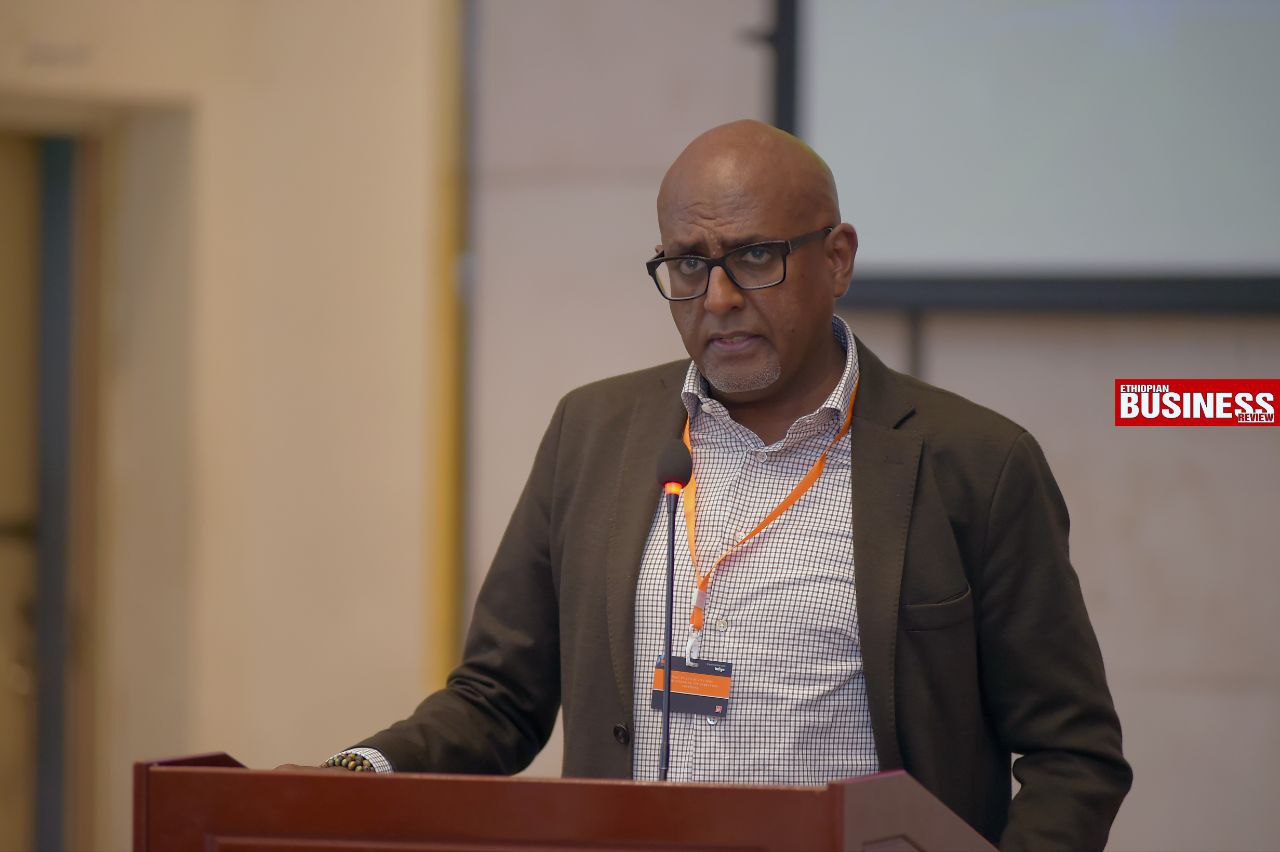


Ethiopia’s financial sector is accelerating its shift toward AI-driven innovation, with banks and fintech firms scrambling to recruit top digital talent. At the KAIM 3 & 4 Graduation and Career Fair, 121 newly trained AI and data science professionals were introduced to hiring managers from leading financial institutions, bringing the total number of KAIM graduates to 229.

For decades, access to finance in Ethiopia remains a major hurdle for MSMEs, smallholder farmers, and individuals, as stringent lending requirements and high collateral demands have long limited their ability to secure credit. While financial constraints have stifled grassroots economic growth, large businesses with established networks and stronger financial standing have traditionally dominated access to funding. However, fintech innovations are disrupting the status quo. Kifiya Financial Technology PLC, a digital finance firm, has developed an AI-powered credit scoring system, allowing anyone to access finance without traditional collateral. “Now, your credit score is the new collateral,” said Hayat Abdulmalik, Program Director for Sustainable Access to Finance to Enable Entrepreneurship (SAFEE) at Kifiya Financial Technology. “This will minimize a huge portion of costs, and lenders will be able to extend credit remotely, directly through mobile phones.”

“AI is the backbone of our effort to transform how MSME can access financial services supporting the Ethiopia’s financial sector,” said Munir Duri, CEO of Kifiya Financial Technology. He further highlighted for the graduates that AI has entered the age of agentic AI, as Kifiya is also undergoing an internal transformation to integrate AI at an operational level. “We are developing a full-fledged AI-powered HR system that can receive, analyze, and interview job applicants. What’s exciting is that students from this program built it.”

While these advancements mark a turning point, challenges remain. A lack of AI-skilled professionals threatens the adoption of digital finance solutions. “Many students graduate without the skills the industry demands,” Hayat noted. To bridge this gap, Kifiya is launching the Kifiya AI Mastery Training Program in partnership with 10 Academy and signing an MoU with Addis Ababa University to integrate AI-focused courses into the university curriculum. Additionally, collaborations with banks aim to upskill professionals already working in the sector.

Ethiopia’s broader digital literacy challenge also looms large. Seyoum Mengesha, CEO, Digital Economy Development, the Ministry of Innovation and Technology, acknowledged that gaps in the country’s education system have slowed the adoption of AI-powered financial solutions. “Kifiya’s AI Mastery Training Program will undoubtedly help equip youth with industry-relevant skills,” he said. “But this needs to be scaled up nationwide.”

Backed by the Mastercard Foundation, 10 Academy, and Kifiya Financial Technology, KAIM isn’t just training professionals—it’s shaping the future of Ethiopian finance. The initiative is focused on three critical shifts: moving from collateral-based to non-collateral lending, shifting credit access from large businesses to MSMEs and smallholder farmers, and leveraging AI and data to drive financial inclusion.


In a major development for Ethiopia’s financial sector, the Ethiopian Capital Market Authority has unveiled the country’s first investment bank. CBE Capital Stock Company and Wegagen Capital Investment Bank Stock Company have been granted licenses to establish these pioneering institutions, marking the beginning of a new era for investment banking in Ethiopia.

Alongside the establishment of these investment banks, the Authority has also approved the licensing of several other key players in the capital market. Ethio-Fidelity Securities Stock Company will serve as a Securities Market Operator, while HST Investment Advisory Services Private Limited and Equus Securities Investment Advisor Private Limited are now officially recognized as Securities Investment Advisors.

Mamo Mihret, Governor of the National Bank of Ethiopia and Chairman of the Capital Market Authority, highlighted the profound impact a well-developed capital market could have on Ethiopia’s economic trajectory. He stated, “A developed capital market is essential for the country’s economic growth and prosperity. It holds great potential, particularly in solving financial challenges in sectors like manufacturing, while also addressing the government’s budgetary needs.” Mihret also pointed out the role of the capital market in the privatization of state-owned enterprises, saying, “This development will empower society by enabling broader public ownership in state-owned enterprises.”

Hana Tehelku, Director General of the Capital Market Authority, expressed optimism about the arrival of these new players. She noted, “The expansion of services, from investment banking to securities transaction execution, will significantly diversify and strengthen the capital market.” Tehelku added, “Until now, the capital market was limited to just four licensed investment advisors. This expansion will provide broader access to essential services, enhancing investor confidence, promoting fairness, and offering better opportunities for raising capital.”

The entry of these new capital market service providers is crucial for creating a more diversified market in Ethiopia and for offering key services to the public. Services range from investment banking and advisory services to the execution of securities transactions. This expansion will bring new depth and efficiency to the market, opening the door to better capital-raising and investment opportunities. These new service providers are expected to enhance investor confidence, promote market fairness, and provide better tools for capital raising, making the market more accessible to both institutional and retail investors.

In particular, the entry of CBE Capital and Wegagen Capital Investment Bank into the sector is highly significant. Both institutions are majority-owned by two major commercial banks: Commercial Bank of Ethiopia and Wegagen Bank. Their entry into the capital market services sector is seen as a major step forward for the revival and growth of Ethiopia’s capital market. This move is made possible by the recent issuance of National Bank of Ethiopia Directive No. SBB/92/2024, which allows banks to hold up to 100% of shares in capital market service providers, marking a positive development in the country’s financial regulatory landscape.

The situation also highlights the growing role of women in Ethiopia’s financial sector, as two of the newly licensed firms—Wegagen Capital Investment Bank and HST Investment Advisory Services—are led by female CEOs.


In a bold step towards enhancing Africa’s transit trade and investment ecosystem, the African Export-Import Bank (Afreximbank) and ZEP-RE (PTA Reinsurance Company) are set to launch the Trans-Africa Bond Alliance (TABA) on March 28, 2025, in Kenya.

TABA is a transformational initiative designed to bridge the insurance capacity gap, empowering African contractors to secure more construction and procurement projects while boosting cross-border trade and investment flows. By providing robust transit guarantee mechanisms, the alliance is expected to reduce trade barriers, lower costs, and improve efficiency in the movement of goods across Africa.

The launch of TABA aligns seamlessly with the goals of the African Continental Free Trade Agreement (AfCFTA), which aims to create a single market for goods and services across 54 countries. By facilitating seamless transit trade, TABA will strengthen the trade insurance sector, making it easier for businesses to operate with confidence while minimizing financial risks.

This initiative builds on prior high-impact collaborations between Afreximbank and ZEP-RE. Notably, in November 2023, the two institutions signed a USD300 million African Collaborative Transit Guarantee Scheme (AATGS) agreement, a facility designed to enhance ZEP-RE’s capacity in supporting primary and national sureties issuing transit bonds under the COMESA regional customs transit guarantee scheme. The agreement was a major step in reducing risk exposure and increasing support for businesses engaged in intra-African trade.


Kenya and the International Monetary Fund (IMF) have mutually agreed to terminate the ninth review of their multi-billion-shilling funding programme, originally set to run until 2025. The move, confirmed by both parties, signals a critical shift in the country’s financial strategy as the government grapples with mounting debt and fiscal shortfalls.

According to MSN News, a global news platform operated by Microsoft, the decision effectively halts the disbursement of USD 490 million (KSh 63.4 billion) under the Extended Fund Facility (EFF) and Extended Credit Facility (ECF), alongside an additional USD360.9 million (KSh 46.7 billion) earmarked for climate financing under the Rapid Support Facility.

In an exclusive interview with TUKO.co.ke, economist Churchill Ogutu pointed to Kenya’s inability to meet key structural benchmarks and fiscal targets as a major factor behind the decision.

“Hardly surprising that the ninth review could not be completed,” Ogutu stated. “The IMF closely monitors fiscal targets such as revenue collection and structural reforms. Kenya has struggled to meet these requirements, making it increasingly difficult to justify continued disbursements.”

According to MSN News, the National Treasury’s 2025 Budget Policy Statement had already hinted at the shift, indicating that there would be no further IMF financing in the next fiscal year. This stands in contrast to April 2021, when Kenya entered the programme amid economic shocks and liquidity concerns.

Despite the termination, Ogutu suggested that Kenya could still seek a fresh agreement with the IMF, albeit under different terms.

“The successor programme could take various forms—a financed one, a non-funded one, or a precautionary one. It’s a wait-and-see on what direction the government takes,” he explained.

However, without immediate IMF support, Kenya may have to rely on costlier external and domestic borrowing, including Eurobonds and syndicated loans. Experts warn that such alternatives could further strain the country’s rising public debt.

As reported by MSN News, Kenya’s total public debt stood at USD 77.14 billion (KSh 11.02 trillion) in January 2025, with external borrowing at USD 39.32 billion (KSh 5.09 trillion) and domestic borrowing at KSh 5.93 trillion. The government’s aggressive borrowing strategy has seen it take on an additional KSh 440 billion in just seven months under President William Ruto’s administration.

While Kenya must still repay the IMF funds already disbursed, Ogutu noted that if the ninth review had gone through, the country’s borrowing under the programme would have reached its ceiling.


In a groundbreaking collaboration, Global Bank Ethiopia, Lucy Insurance S.C., and Kacha Digital Financial Services have launched “Agar,” Ethiopia’s first digital insurance and loan service, marking a transformative step in the country’s financial sector. Tailored to meet the needs of insurance customers, meter taxi drivers, and salaried employees, this innovative service offers digital loan and savings solutions, effectively breaking the barriers posed by traditional insurance models.

Historically, the Ethiopian insurance sector has been anchored in cumbersome paperwork and rigid documentation systems, limiting its reach and growth. Many potential clients, particularly those viewing insurance as a luxury, have been hesitant to engage with traditional services. Adefris Wesen, CEO of Lucy Insurance, acknowledges this limitation, emphasizing, “The traditional insurance system inhibited the sector’s growth, reflected in its minimal contribution to the country’s GDP.” With the advent of “Agar,” however, digitalization is set to revolutionize service delivery, enhance accessibility, and bolster the sector’s contribution to the nation’s economy.

In line with Ethiopia’s ambitious Digital 2025 initiative, the National Bank of Ethiopia (NBE) has been instrumental in promoting digital financial services. Hailemariam, Advisor to the Deputy Governor of NBE, highlights the pivotal role digital finance plays in fostering financial inclusion, adding, “This partnership will contribute to Ethiopia’s Digital 2025 initiative and enhance accessibility, while ensuring accountability, cybersecurity, and consumer protection.”

“Agar Digital Insurance” stands as Ethiopia’s first insure-tech product, allowing users to seamlessly purchase insurance via mobile phones without the need for branch visits. By eliminating paperwork, the service offers a hassle-free digital experience. Available through the Kacha mobile app, it not only enables users to purchase insurance but also provides digital loans to ease premium payments. Customers can opt for flexible repayment schedules, from 1 to 9 months, ensuring uninterrupted coverage even during financial challenges.

In addition, two new services were unveiled today: Agar for Drivers, which offers meter taxi drivers quick access to digital loans for urgent vehicle repairs or expenses, and Agar for Salaried Employees, a salary advance loan service that allows employees to access a portion of their salary before payday without collateral.

This dynamic, digital-first approach is poised to make insurance and financial services more accessible, affordable, and efficient, propelling Ethiopia’s financial sector into a new era of innovation and inclusion.


Despite Ethiopia’s ongoing macroeconomic reforms, fixed-income earners continue to feel the pressure of rising living costs. Dr. Eyob Tekalign, State Minister of Finance, acknowledged that while certain segments of society are benefiting from increased earnings, those with stable salaries still struggle with inflation.

Speaking at a public forum organized by the Prime Minister’s Office, Dr. Eyob explained that the reforms are aimed at stabilizing the economy, particularly by narrowing the gap between the official and black market exchange rates. He highlighted the government’s efforts to ease inflationary pressures, including allocating 70 billion birr to fuel subsidies and refraining from imposing additional taxes.

He also noted that structural adjustments in production and supply have contributed to stabilizing prices, but further improvements are still needed. To fully address the challenges, he emphasized the importance of continued collaboration between the government and the public.


Ethiopia has seen a significant boost in foreign exchange availability following the implementation of macroeconomic reforms, with key figures pointing to economic progress. Reflecting on the country’s economic progress during a public forum organized by the Prime Minister’s Office, Minister of Planning and Development, Dr. Fitsum Assefa, shared that exports have surged by 102% in the past seven months compared to the same period last year. Additionally, USD3.9 billion has been received from development partners, and remittances have risen by 14% compared to the previous year.

Dr. Fitsum further explained that the National Bank of Ethiopia’s foreign exchange auction system has facilitated USD5.1 billion in foreign exchange purchases by banks, with USD4.4 billion sold and a USD720 million surplus remaining in the banking system. This surplus, she noted, has resolved concerns about foreign exchange availability for viable investments.

The Minister also highlighted a 20% increase in the supply of capital goods for manufacturing compared to the same period last year. Through the Ethiopian Manufacturing Movement, 395 factories that had previously halted production due to national and international challenges have resumed operations. Dr. Fitsum emphasized that foreign exchange is no longer a structural problem for Ethiopia’s industries, paving the way for continued investment and growth.


Ethio Telecom has delivered impressive financial and operational results, posting a 7.9% increase in subscriptions, a 43% surge in top-line growth, and a 55.5% rise in EBITDA margin year-on-year. These gains pushed the state-owned telecom giant’s provisional revenue to ETB 61.9 billion for the first half of the Ethiopian fiscal year 2024/25. The figures were presented during a six-month performance dialogue with Ethiopian Investment Holdings (EIH).

A major contributor to this success is Telebirr, Ethio Telecom’s rapidly expanding digital finance platform. According to EIH, Telebirr facilitated transactions worth ETB 1.03 trillion for over 51.5 million users during the reporting period, generating ETB 1.67 billion in revenue, underscoring its growing role in Ethiopia’s digital economy.

EIH commended Ethio Telecom’s strategic execution, digital innovation, and contributions to financial inclusion. Looking ahead, the holding company advised Ethio Telecom to maintain its growth trajectory by enhancing service quality amid intensifying competition, optimizing operational efficiency, and staying attuned to global telecom and banking trends to ensure seamless industry collaboration.


Addis Ababa faces significant food waste challenges as its food supply heavily relies on produce from rural Ethiopia and imported industrial foods. A substantial portion of food is lost or spoiled during transportation, exacerbating food insecurity in the capital.  

“We can imagine how many people we could feed if we prevented this level of food loss,” said Dr. Endale Amare, Senior Researcher and Head of Food and Nutrition Sciences at the Ethiopian Public Health Institute (EPHI). “Addressing this issue requires efficient technology and innovative solutions, which we will explore in this high-level discussion.”  

Beyond supply chain inefficiencies, household food waste is also a growing concern due to limited awareness. Additionally, concerns over agricultural productivity and the health risks associated with industrial foods remain key issues.  

These challenges were highlighted at the launch of the EcoFoodSystems Workshops, a collaborative initiative aimed at tackling malnutrition in Addis Ababa’s food system. Led by Galway University in partnership with EPHI, the project is funded by the European Union (EU) and the International Fund for Agricultural Development (IFAD). The workshops will focus on overlooked consumer groups and identify priority areas for action.  

The EcoFoodSystems project seeks to generate evidence on urban malnutrition and unsustainable food systems. It is part of the broader Ethiopian Food System Transformation Pathway, spearheaded by the Ministry of Agriculture and the Ethiopian Agriculture Institute, with a focus on policy reforms and capacity-building for researchers.   

According to projections, by 2050, 70% of cities worldwide are expected to face food insecurity. In Addis Ababa, malnutrition stunts children’s growth and cognitive development, while excessive consumption of unhealthy diets contributes to chronic illnesses such as diabetes and heart disease. These health crises not only affect individuals but also pose long-term economic challenges for the country.  

Dr. Endale announced that Ethiopia is set to introduce a proclamation aimed at combating unhealthy diets. Highlighting the impact of inflation on food security, he stated, “At EPHI, we estimate the cost of a healthy diet based on current market prices. Like in other countries, inflation could present challenges. Currently, global reports show that only one-third of the world’s population can afford a nutritious diet.”  

Amid inflation, he also advised consumers to purchase a variety of small food portions rather than buying single products in bulk, promoting a more balanced and sustainable diet.  


Ethiopian Business Review | EBR is a first-class and high-quality monthly business magazine offering enlightenment to readers and a platform for partners.


2Q69+2MM, Jomo Kenyatta St, Addis Ababa

Tsehay Messay Building

Contact Us

+251 961 41 41 41
