
Football-Referees-Face.jpg

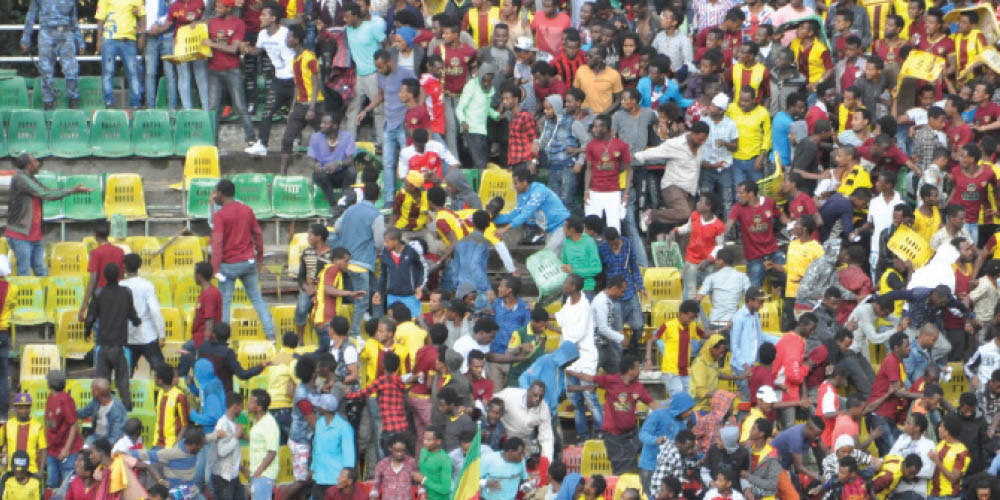
Ethiopian football matches are often sites of clashes between fans and referees. This dynamic is particularly heightened during high-stakes matches for championship titles or between rival teams. Some argue that officials who preside over matches need to be better trained and equipped to deal with the fast-paced, often dangerous nature of the sport. EBR’s adjunct staff writer Abiy Wendifraw used these clashes as an opportunity to learn more about the challenges of refereeing in Ethiopia and what needs to be done to improve the profession.
Football-Insiders.jpg

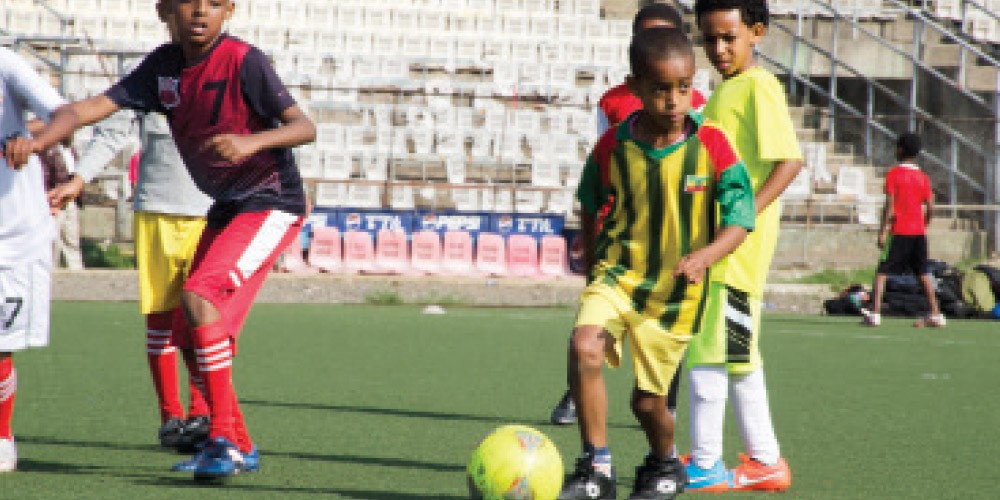
The makings of a successful football team begin long before a match– it starts with the development of a talent pipeline. Yet, Ethiopia is lacking programmes committed to developing young footballers. However, that’s changing with the emergence of places like Sewnet Bishaw ena Betesebu Youth Football Training. EBR adjunct staff writer Abiy Wendifraw spoke with football insiders to learn more about the work of the centre and how it is developing future talent.


Sports-Centres.jpg

Ethiopian sport officials are looking to improve the country’s performance in continental and international competitions. One way to do this is nurture the next generation of talent that can rise to the standard of world-class athletic excellence. To that end, the government has invested money in developing youth training centres. The Tirunesh Dibaba Sport Centre in the State of Oromia is one such place. EBR’s adjunct staff writer Abiy Wendifraw visited the Centre and spoke to sports insiders to learn about the potential and challenges in developing future athletic talent.


St.-George-FC.jpg

St. George FC, one of the most popular teams in the Ethiopian Premier League, has enjoyed many successes and endured its share of tribulations during its 80 years of existence. But one thing that still eludes the club is success on a continental level. EBR’s adjunct staff writer Abiy Wendifraw spoke with team administrators to learn more about it’s storied past and its plans to bring itself to the next level of success.


Female-Footballers.jpg

The news that Lucy, the Ethiopian women’s national football team, would be competing for a spot in the African Cup of Nations competition was mired in controversy and hope. It represented a moment in which the team was rising to prominence on a continental level. The moment was indicative of a larger trend taking place in the Ethiopian football: more opportunities for women, as even the most elite clubs now own female teams. Still, as EBR’s adjunct writer Abiy Wendifraw explores, there’s still more work to be done to create a more equitable playing field for female football players.


Doping-Practices.jpg

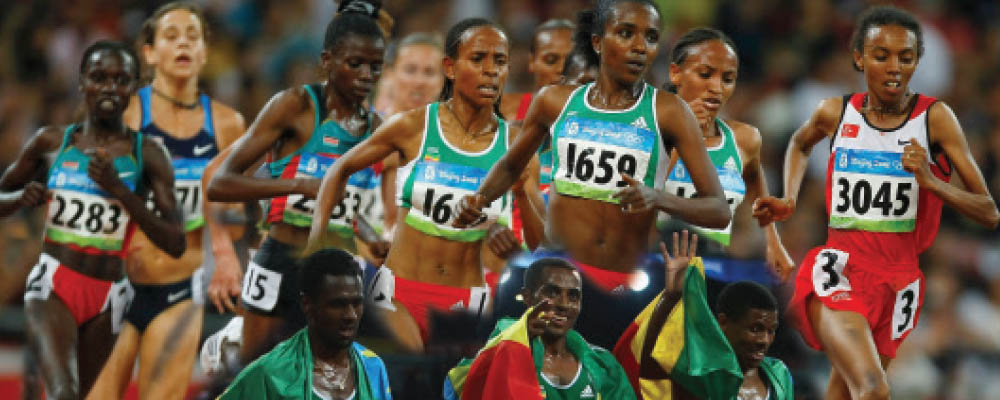
For decades, Ethiopia has enjoyed a highly regarded position within athletics, especially in long-distance running. This prominent role, however, may prove to be a liability in the eyes of some anti-doping activists who believe the successes of the country’s athletes warrants heightened scrutiny in doping investigations. Data from the leading anti-doping agency suggests these activists may be right: in 2013 alone, nearly 2,000 sanctions were levied for doping infractions in nearly 90 different sports around the world. What will this mean for Ethiopia’s athletics programme? EBR’s adjunct staff writer, Abiy Wendifraw, spoke with key stakeholders to learn more about what’s being done to address this issue.


south-africa-2014-caf.jpg

The Continent’s Biennial Football Showdown Returns

The 2014 African Nations Championship (Sometimes referred to as CHAN) is underway in South Africa, a country that overtook the right to host the event from Libya because of the previous turmoil in the country. The football championship, which was officially opened on January 11, 2014, is now being fought between 16 teams in three cities: Cape Town, Bloemfontein and Polokwane. The 65,000-seater Cape Town Stadium will host the championship on February 1, 2014.


  • Surpassed last year’s earning by 14 per cent
  • Earning shows 69.14 per cent of the plan
  • The gap between plan and accomplishment alarms realizing GTP

The direct relationship between export and country’s economic growth is apparent. Economists also insist that if export figures (quantity or earning) fluctuate year after year, uncertainties will emerge in the economy. In turn, these uncertainties build unfavourable pressure on investment. These might, in the end, have negative repercussions on overall growth. Balance of payment crisis also turns out to be the other effect.


In mid February 2010, Ministry of Finance and Economic Development (MoFED) representatives attended a workshop in Mombasa, Kenya. The Workshop was about Integrated Financial Management Information System (IFMIS), which MoFED had planned months earlier.

IFMIS, which is expected to raise efficiency, effectiveness and transparency in financial sector has “successfully” finished its pilot phase, after two years. The pilot project, which consumed USD 19 million, had been running under close supervision of MoFED. Since last September, the project has been moving to implement the system in selected ministries, federal agencies and regional bureaus.


Olympic-Rank-.jpg

For most, the Olympics is just a huge sporting event. But for some, it is more than that. Some sport pundits love to compare nations’ status in the Olympic medal table with the level of their global power. At some stage, during the cold war, the relative power of United States and Soviet Union were usually evaluated by the number of (Gold, Silver and Bronze) medals they scored in the Olympics. In the last three Olympics though, it has been China and America competing for the supremacy in the biggest event of the globe.


Ethiopian Business Review | EBR is a first-class and high-quality monthly business magazine offering enlightenment to readers and a platform for partners.


2Q69+2MM, Jomo Kenyatta St, Addis Ababa

Tsehay Messay Building

Contact Us

+251 961 41 41 41