photo_2025-06-16_09-48-06.jpg

Ethiopian Airlines has signed a firm order for two DHC-6 Twin Otter Classic 300-G aircraft from Canadian manufacturer De Havilland Aircraft of Canada Limited, in a strategic move to enhance domestic connectivity across remote and underserved regions, Aerospace Global News reports.

This marks the introduction of the 300-G into Ethiopian Airlines’ fleet. Unlike larger jets that require long runways and major airports, these uniquely built aircraft can land on water and rugged strips, making them ideal for reaching isolated communities, especially those around Ethiopia’s Great Lakes region.

“This aircraft is perfectly aligned with our vision to improve domestic connectivity,” said Mesfin Tasew, Group CEO of Ethiopian Airlines. “Its ability to operate in challenging environments, paired with the enhancements of the latest 300-G version, supports our broader commitment to improving regional access and advancing socio-economic development across Ethiopia and beyond.”

The aircraft aren’t just for passengers. Ethiopian Airlines plans to use them for cargo delivery, medical evacuations, and emergency support, offering lifelines to areas that often lack reliable transport options. In a country where geography can be a barrier, this move reflects the airline’s growing role in connecting Ethiopians to each other not just to the rest of the world.

Ryan DeBrusk, Vice President of Sales and Marketing at De Havilland Canada, expressed pride in the partnership:

“We’re honored to welcome Ethiopian Airlines to the Twin Otter 300-G family. Their choice highlights how this aircraft can support tourism, regional connectivity, and local development in East Africa.”

The Twin Otter 300-G is the latest generation of a globally trusted aircraft, now enhanced with a modern Garmin G1000 NXi glass cockpit, better fuel efficiency, higher maximum takeoff weight, and lower maintenance needs. These upgrades make it both practical and cost-effective for rugged operations. 


White-Minimalist-Economics-Headline-News-Instagram-Post-2025-06-09T121824.602.png

BitX, a global mining company has signed a Memorandum of Understanding (MoU) with Ethiopia Mining Farm, paving the way for cutting-edge AI-powered mining infrastructure in Ethiopia, according to Street Insider.

The agreement marks a significant milestone in BitX’s African expansion, introducing its flagship Bit-X V2 Accelerator into local mining operations. This AI-driven technology is designed to double mining efficiency without the need for hardware upgrades, offering a more sustainable and cost-effective approach to Bitcoin mining. Ethiopia is seen as a high-potential hub, thanks to its largely untapped energy reserves and increasing momentum in digital transformation.

BitX’s CEO highlighted that the partnership goes beyond efficiency—it aims to foster a more inclusive and decentralized Web3.0 mining model, where access and fairness are prioritized. Ethiopia Mining Farm officials echoed this vision, stating that the integration of BitX’s accelerator will significantly enhance their operational performance and global competitiveness.

According to the MoU, BitX plans to roll out its technology across 20,000 mining machines in Ethiopia by the end of 2025, with ambitions to expand across other African markets. A key part of this initiative is BitX’s Shared Accelerator Program, which allows global participants to invest in decentralized mining via AI-powered contracts, starting at just $100—making it accessible to a broad base of investors, including Ethiopians.

Unlike traditional mining models that depend heavily on hardware or low-cost electricity, BitX’s approach focuses on software optimization and energy efficiency, enabling emerging economies like Ethiopia to participate in the global Bitcoin mining economy without massive capital requirements.

With a proven track record in North America and Central Asia, BitX’s move into Ethiopia underscores a growing shift in global mining strategy, one that champions decentralization, smart technology, and environmental consciousness.


Big-5-Construct-Ethiopia-Talks-1280x853.jpg

Addis Ababa is set to host the 2025 edition of Big 5 Construct Ethiopia from 26–28 June at the Millennium Hall, alongside the inaugural East Africa Infrastructure & Water Expo. The dual events, officially endorsed by the Ministry of Urban and Infrastructure, are expected to serve as key platforms for business networking, knowledge sharing, and international collaboration within Ethiopia’s expanding construction and infrastructure sectors.

The upcoming Big 5 Construct Ethiopia and East Africa Infrastructure & Water Expo will feature over 230 local and international exhibitors showcasing construction and infrastructure solutions tailored to Ethiopia’s fast-growing market. Key industry players such as Jotun, NAFFCO, USG, and Emirates National Copper Factory will present high-quality products, while first-time exhibitors like Signify (Philips Lighting) highlight the sector’s expansion. Country pavilions from Germany, Türkiye, China, Italy, and India reflect strong global interest. The events align with Ethiopia’s major development projects—including the Grand Ethiopian Renaissance Dam, Mesob Tower, La Gare redevelopment, and Abusera International Airport—as the nation ramps up investment in transport, water, power, and ICT infrastructure.

According to Josine Heijmans, Senior Vice President – Construction at dmg events, “The launch of the East Africa Infrastructure & Water Expo alongside Big 5 Construct Ethiopia supports the government’s development vision by facilitating investment, knowledge exchange, and strategic partnerships.”

The event will also feature CPD-certified professional talks, including the Big 5 Talks, which will cover topics in architecture, project management, construction technology, and sustainable materials. New programmes, Infra360 and Water360, will explore actionable solutions for East Africa’s infrastructure and water challenges. An invite-only East Africa Infrastructure & Water Summit will convene policymakers, developers, and technical experts to discuss long-term infrastructure strategies.

East Africa Infrastructure & Water Summit, a premium, invite-only programme, will convene policymakers, project owners and technical experts to explore unique strategies and infrastructure development pathways for the region. “Urbanization across Ethiopia and the wider East African region is creating new business opportunities at an unprecedented pace. Big 5 Construct Ethiopia alongside the East Africa Infrastructure & Water Expo, will support and accelerate this growth,” concluded Heijmans.


Software licensing is a critical aspect of IT infrastructure management, where ensuring compliance and maximizing cost-effectiveness are paramount. KMS tools have emerged as key facilitators in the process of software activation, particularly through mechanisms like kms activation. These tools offer streamlined approaches for managing and deploying licenses across extensive networks, especially in organizational environments. With the increasing complexity of software ecosystems, having a robust licensing system is more important than ever to avoid legal pitfalls and ensure seamless operations.

The Basics of KMS Activation

KMS, or Key Management Service, is a technology utilized for activating software on multiple computers within a network. This method involves setting up a local activation server that communicates with client systems to enable software use without the need for individual product keys. KMS activation is particularly beneficial for large-scale deployments as it simplifies license management. By using a local server, businesses can ensure that their software remains active and compliant with minimal input from end-users. This systematic approach reduces administrative burdens significantly while enhancing productivity.

How KMS Activation Works

The core function of kms activation involves configuring a local server that acts as an intermediary between client machines and Microsoft’s activation services. Client machines connect to this server, which verifies their eligibility and activates the installed software. This method reduces the need to interact directly with external servers for individual activations, enhancing efficiency. The local server checks in with Microsoft’s servers at regular intervals, ensuring that all connected devices remain activated and functional. This periodic validation helps maintain network integrity and ensures uninterrupted access to essential applications.

Benefits of KMS Tools

  • Centralized control over software licensing and activation.
  • Reduced administrative overheads by automating several tasks related to license management.
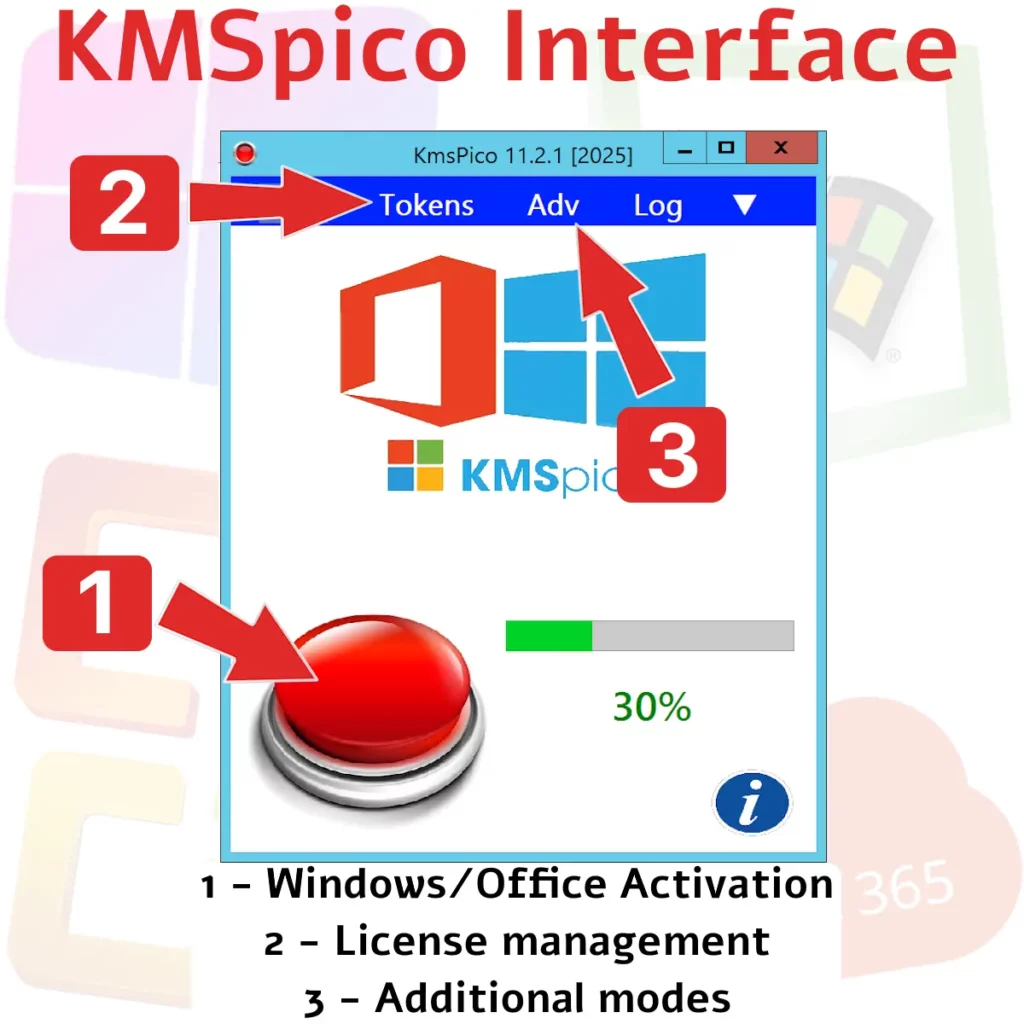
  • Flexibility in managing licenses for both Windows and Office products, using solutions like kmspico office activator.
  • Increased security by reducing exposure to external activation requests.
  • Improved scalability, allowing organizations to easily expand or modify their network without worrying about individual license issues.

KMS tools not only simplify the technical aspects of software deployment but also contribute to strategic planning by providing insights into usage patterns and compliance levels. These insights can inform better decision-making regarding resource allocation and future IT investments.

Understanding Volume Activation through KMS

KMS tools play a significant role in volume activation, allowing organizations to activate numerous installations with minimal hassle. By leveraging a single host machine configured as an activation server, businesses can deploy software across multiple devices efficiently. This approach is often crucial for enterprises dealing with hundreds or thousands of licenses. Volume activation not only streamlines the process but also provides a cost-effective solution for managing large quantities of licenses. Moreover, it aligns well with dynamic business environments requiring rapid scaling or restructuring efforts without compromising on compliance or performance metrics.

KMS Activation for Microsoft Products

KMS tools are frequently used for activating Microsoft products such as Windows and Office suites. Tools like the windows activator enable organizations to manage activations efficiently across diverse environments without relying on individual product keys for each installation. This is particularly useful in educational institutions and large corporations where numerous systems require access to vital applications. The ability to activate software quickly across various departments enhances operational agility and ensures continuity in learning or business processes.

Exploring the Impact of Windows 10 KMS Activation

With the advent of Windows 10, kms activation has become increasingly vital in corporate settings. The ability to automatically activate this operating system using a centralized server helps maintain compliance and streamline updates without user intervention. This ensures that all systems run the latest versions with essential security patches applied promptly. As cyber threats evolve, maintaining up-to-date systems becomes critical in safeguarding sensitive data against breaches or unauthorized access.

The Role of an Office Activator

An office activator like the office 2019 activator complements KMS solutions by enabling seamless license management for Microsoft Office products. It ensures all users have access to necessary features while remaining compliant with licensing agreements. Such tools are indispensable in environments where productivity relies heavily on office suite functionalities. By automating routine checks and balances inherent in license management, these activators help organizations focus on core activities rather than logistical challenges.

KMS Tools: Practical Application and Considerations

KMS tools require careful planning and deployment to ensure they meet organizational needs effectively. One popular solution, kmspico office activator, demonstrates how these tools enhance operational efficiency by automating complex tasks associated with license management and kms activation. Proper configuration is crucial to avoid potential disruptions or security vulnerabilities during implementation. Organizations must invest time in training IT personnel on best practices surrounding kms deployment to maximize benefits while minimizing risks associated with misconfigurations.

Popular Commands and Tools

One essential command utility associated with KMS is DISM (Deployment Image Servicing and Management), which aids in managing Windows images before deployment. This tool supports the implementation of volume licenses by facilitating image creation compatible with kms activation processes. Additionally, understanding other command-line tools can optimize deployment strategies and reduce potential errors during setup. Mastery over such utilities translates into smoother rollouts and heightened efficiency when introducing new systems or updates into existing frameworks.

Infrastructure Constraints

  • A typical lab setup might require at least VM configurations with 2 vCPUs and 4 GB RAM to simulate effective KMS operations.
  • The timing of snapshots during testing phases can affect the reliability of kms activation simulations, necessitating strategic planning in software deployment cycles.
  • Network bandwidth considerations must be taken into account when deploying updates across multiple systems simultaneously.

The infrastructure supporting kms operations is just as crucial as the software itself; hence adequate resources must be allocated towards maintaining robust setups capable of handling organizational demands efficiently without significant downtime or degradation in performance quality.

Challenges in Digital Licensing

While digital licensing offers many benefits, incorporating kms tools isn’t without challenges. Ensuring compatibility across various network setups and minimizing potential security risks are ongoing concerns that IT departments must address proactively. Regular audits and monitoring help identify vulnerabilities before they can be exploited; thus safeguarding digital assets requires continuous vigilance alongside technological acumen from IT teams tasked with overseeing these critical components within modern enterprises.

kms activation with kmspico office activator basics

The Future of License Management with KMS Tools

As organizations continue to transition towards digital ecosystems, tools supporting kms activation will remain pivotal in smoothing this journey. Continuous enhancements in these technologies will further simplify license management processes while improving compliance standards globally. Innovations such as cloud-based solutions may soon integrate seamlessly with existing KMS infrastructure, providing even greater flexibility and efficiency.

The potential integration of artificial intelligence within license management systems could revolutionize how businesses approach usage analytics—offering predictive insights aimed at optimizing both costs incurred through licensing fees alongside user experience enhancements driven by tailored service provisions stemming from real-time data analysis capabilities embedded within sophisticated AI-driven platforms tailored specifically towards enterprise-level clientele seeking competitive advantages amidst ever-evolving technological landscapes shaping industry dynamics today!

In summary, understanding the intricacies of kms activation and effectively utilizing corresponding tools can significantly enhance an organization’s ability to manage software licenses seamlessly. As businesses strive towards operational excellence, integrating robust license management solutions remains essential for long-term success. By staying informed about advancements in KMS technologies, companies can maintain competitive advantages while ensuring legal compliance across all digital assets.


Copy-of-White-Minimalist-Economics-Headline-News-Instagram-Post-20.png

Ethiopia and Hungary have resumed negotiations to finalize an agreement on the avoidance of double taxation—an important fiscal policy tool that could unlock new opportunities for cross-border investment and trade.

Held in Addis Ababa, the second round of talks builds on earlier discussions that took place in Budapest, Hungary, where both sides reached preliminary understandings on most of the core issues.

Representing Ethiopia, Tewedaj Mehammed, Head of the Legal Affairs Department at the Ministry of Finance, emphasized that the agreement would not only eliminate the burden of double taxation but also foster a more predictable and investor-friendly environment. “This agreement will pave the way for enhanced business development and deepen economic cooperation between our two nations,” he noted during the opening session.

From the Hungarian side, Ms. Gyongyi Antal, Head of the Division of International Taxation at Hungary’s Ministry for National Economy, expressed optimism about the ongoing dialogue. “The removal of double taxation barriers creates a conducive environment for companies to thrive and connect. Most technical issues were addressed in the first round, and we are hopeful this session will bring consensus on the remaining points,” she said.


In a groundbreaking move set to transform Ethiopia’s digital financial ecosystem, Ethio Telecom and MasterCard Africa are exploring a strategic collaboration to introduce cutting-edge digital financial services.

A high-level delegation, led by Ethio Telecom CEO Frehiwot Tamiru and MasterCard Africa President Mark Elliott, engaged in discussions to leverage their respective platforms—Telebirr and MasterCard—to expand financial access, accelerate digital payments, and drive sustainable economic growth.

CEO Frehiwot Tamiru emphasized Ethio Telecom’s strong market position, highlighting its vast customer base and robust infrastructure as key enablers in unlocking new digital opportunities. “Our partnership with MasterCard is driven by a shared vision to revolutionize Ethiopia’s financial sector and empower millions through innovative digital solutions,” she stated.

Echoing this sentiment, Mark Elliott, Division President, Mastercard Africa underscored MasterCard’s commitment to the Ethiopian market, citing Ethio Telecom’s rapid growth and infrastructure capabilities as a solid foundation for success. “This collaboration aligns with our mission to drive financial inclusion and create a more connected and competitive digital economy,” he said.


Bunna Bank and Kacha Digital Financial Services have launched a pre-salary loan service, Abol Demoze, aimed at addressing the financial needs of salaried employees.

This innovative service allows employees to access up to 33% or 50% of their salary digitally before payday through the Kacha mobile application. With a flexible installment repayment option, Abol Demoze is designed to provide financial relief during cash shortages, making payday stress a thing of the past.


Resize_19a885c9-b74b-42d5-8778-4dc5d38c47ca20241025_110823-1280x851.jpg

Country Trading PLC, a company with 35 years of experience in real estate, trading, manufacturing, electronics, and duty-free retail, has opened its second duty-free store, Millennium Duty-Free, at the Skylight Hotel in Addis Ababa.

This new store follows the success of Country Trading’s first duty-free outlet at Bole International Airport, further establishing the company’s presence in Ethiopia’s market.


DSC_9133-1280x848.jpg

Abdusalam Kemal, Chairman of Hijra Bank’s Board, discussed the bank’s evolution from community-focused services to leveraging technology for greater impact. He stated, “Since our inception, we’ve shifted from serving the community to using technology to enhance our services.” Abdusalam noted that HalalPay reflects the bank’s dedication to its community and highlighted its significance.

Dawit Keno, CEO of Hijra Bank, described HalalPay as a valuable solution for individuals seeking interest-free financing. “This is a gift to the generation,” Keno remarked, emphasizing the platform’s potential to change financial transactions.


Ethiopian Business Review | EBR is a first-class and high-quality monthly business magazine offering enlightenment to readers and a platform for partners.


2Q69+2MM, Jomo Kenyatta St, Addis Ababa

Tsehay Messay Building

Contact Us

+251 961 41 41 41