
Software licensing is a critical aspect of IT infrastructure management, where ensuring compliance and maximizing cost-effectiveness are paramount. KMS tools have emerged as key facilitators in the process of software activation, particularly through mechanisms like kms activation. These tools offer streamlined approaches for managing and deploying licenses across extensive networks, especially in organizational environments. With the increasing complexity of software ecosystems, having a robust licensing system is more important than ever to avoid legal pitfalls and ensure seamless operations.

The Basics of KMS Activation

KMS, or Key Management Service, is a technology utilized for activating software on multiple computers within a network. This method involves setting up a local activation server that communicates with client systems to enable software use without the need for individual product keys. KMS activation is particularly beneficial for large-scale deployments as it simplifies license management. By using a local server, businesses can ensure that their software remains active and compliant with minimal input from end-users. This systematic approach reduces administrative burdens significantly while enhancing productivity.

How KMS Activation Works

The core function of kms activation involves configuring a local server that acts as an intermediary between client machines and Microsoft’s activation services. Client machines connect to this server, which verifies their eligibility and activates the installed software. This method reduces the need to interact directly with external servers for individual activations, enhancing efficiency. The local server checks in with Microsoft’s servers at regular intervals, ensuring that all connected devices remain activated and functional. This periodic validation helps maintain network integrity and ensures uninterrupted access to essential applications.

Benefits of KMS Tools

  • Centralized control over software licensing and activation.
  • Reduced administrative overheads by automating several tasks related to license management.
  • Flexibility in managing licenses for both Windows and Office products, using solutions like kmspico office activator.
  • Increased security by reducing exposure to external activation requests.
  • Improved scalability, allowing organizations to easily expand or modify their network without worrying about individual license issues.

KMS tools not only simplify the technical aspects of software deployment but also contribute to strategic planning by providing insights into usage patterns and compliance levels. These insights can inform better decision-making regarding resource allocation and future IT investments.

Understanding Volume Activation through KMS

KMS tools play a significant role in volume activation, allowing organizations to activate numerous installations with minimal hassle. By leveraging a single host machine configured as an activation server, businesses can deploy software across multiple devices efficiently. This approach is often crucial for enterprises dealing with hundreds or thousands of licenses. Volume activation not only streamlines the process but also provides a cost-effective solution for managing large quantities of licenses. Moreover, it aligns well with dynamic business environments requiring rapid scaling or restructuring efforts without compromising on compliance or performance metrics.

KMS Activation for Microsoft Products

KMS tools are frequently used for activating Microsoft products such as Windows and Office suites. Tools like the windows activator enable organizations to manage activations efficiently across diverse environments without relying on individual product keys for each installation. This is particularly useful in educational institutions and large corporations where numerous systems require access to vital applications. The ability to activate software quickly across various departments enhances operational agility and ensures continuity in learning or business processes.

Exploring the Impact of Windows 10 KMS Activation

With the advent of Windows 10, kms activation has become increasingly vital in corporate settings. The ability to automatically activate this operating system using a centralized server helps maintain compliance and streamline updates without user intervention. This ensures that all systems run the latest versions with essential security patches applied promptly. As cyber threats evolve, maintaining up-to-date systems becomes critical in safeguarding sensitive data against breaches or unauthorized access.

The Role of an Office Activator

An office activator like the office 2019 activator complements KMS solutions by enabling seamless license management for Microsoft Office products. It ensures all users have access to necessary features while remaining compliant with licensing agreements. Such tools are indispensable in environments where productivity relies heavily on office suite functionalities. By automating routine checks and balances inherent in license management, these activators help organizations focus on core activities rather than logistical challenges.

KMS Tools: Practical Application and Considerations

KMS tools require careful planning and deployment to ensure they meet organizational needs effectively. One popular solution, kmspico office activator, demonstrates how these tools enhance operational efficiency by automating complex tasks associated with license management and kms activation. Proper configuration is crucial to avoid potential disruptions or security vulnerabilities during implementation. Organizations must invest time in training IT personnel on best practices surrounding kms deployment to maximize benefits while minimizing risks associated with misconfigurations.

Popular Commands and Tools

One essential command utility associated with KMS is DISM (Deployment Image Servicing and Management), which aids in managing Windows images before deployment. This tool supports the implementation of volume licenses by facilitating image creation compatible with kms activation processes. Additionally, understanding other command-line tools can optimize deployment strategies and reduce potential errors during setup. Mastery over such utilities translates into smoother rollouts and heightened efficiency when introducing new systems or updates into existing frameworks.

Infrastructure Constraints

  • A typical lab setup might require at least VM configurations with 2 vCPUs and 4 GB RAM to simulate effective KMS operations.
  • The timing of snapshots during testing phases can affect the reliability of kms activation simulations, necessitating strategic planning in software deployment cycles.
  • Network bandwidth considerations must be taken into account when deploying updates across multiple systems simultaneously.

The infrastructure supporting kms operations is just as crucial as the software itself; hence adequate resources must be allocated towards maintaining robust setups capable of handling organizational demands efficiently without significant downtime or degradation in performance quality.

Challenges in Digital Licensing

While digital licensing offers many benefits, incorporating kms tools isn’t without challenges. Ensuring compatibility across various network setups and minimizing potential security risks are ongoing concerns that IT departments must address proactively. Regular audits and monitoring help identify vulnerabilities before they can be exploited; thus safeguarding digital assets requires continuous vigilance alongside technological acumen from IT teams tasked with overseeing these critical components within modern enterprises.
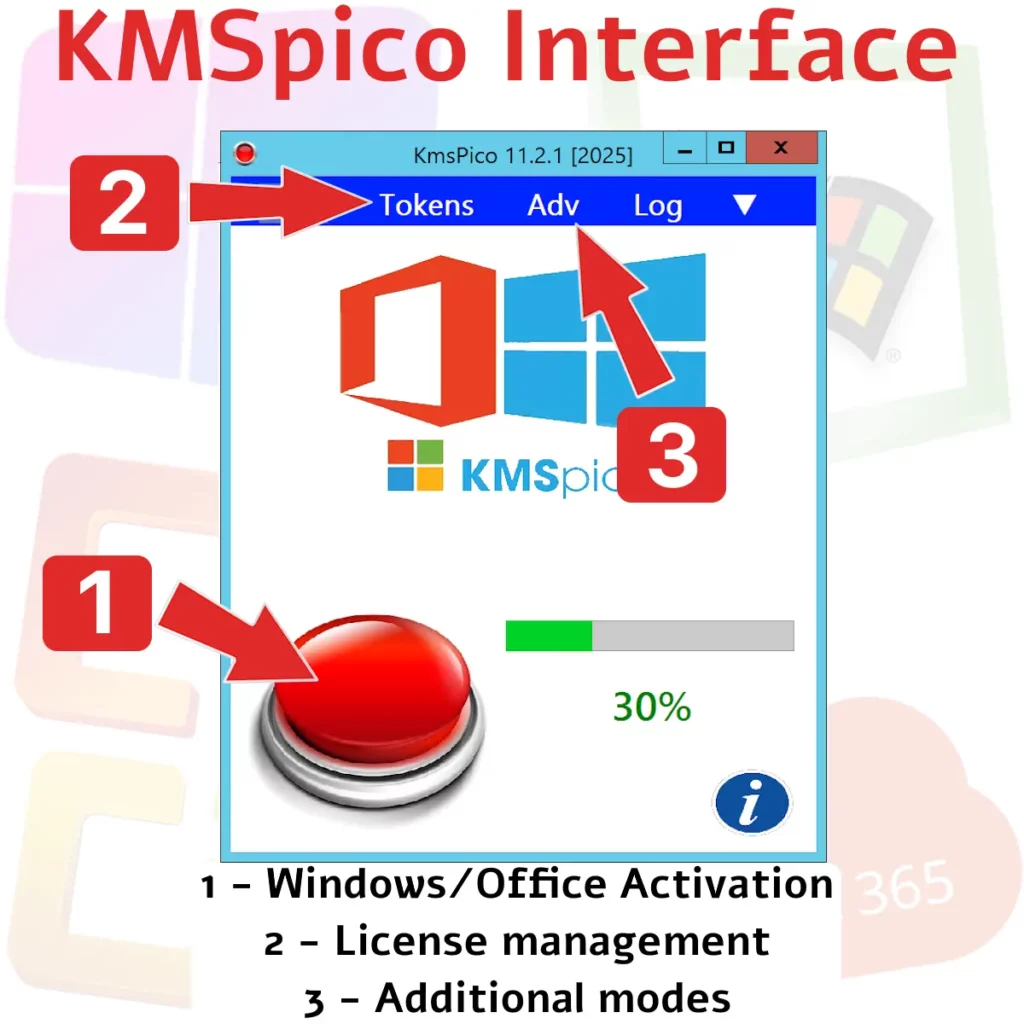
kms activation with kmspico office activator basics

The Future of License Management with KMS Tools

As organizations continue to transition towards digital ecosystems, tools supporting kms activation will remain pivotal in smoothing this journey. Continuous enhancements in these technologies will further simplify license management processes while improving compliance standards globally. Innovations such as cloud-based solutions may soon integrate seamlessly with existing KMS infrastructure, providing even greater flexibility and efficiency.

The potential integration of artificial intelligence within license management systems could revolutionize how businesses approach usage analytics—offering predictive insights aimed at optimizing both costs incurred through licensing fees alongside user experience enhancements driven by tailored service provisions stemming from real-time data analysis capabilities embedded within sophisticated AI-driven platforms tailored specifically towards enterprise-level clientele seeking competitive advantages amidst ever-evolving technological landscapes shaping industry dynamics today!

In summary, understanding the intricacies of kms activation and effectively utilizing corresponding tools can significantly enhance an organization’s ability to manage software licenses seamlessly. As businesses strive towards operational excellence, integrating robust license management solutions remains essential for long-term success. By staying informed about advancements in KMS technologies, companies can maintain competitive advantages while ensuring legal compliance across all digital assets.


photo_2025-05-22_15-01-08.jpg

A newly released 22-year economic assessment by the Ethiopian Economics Association (EEA) has revealed that Ethiopia’s total public debt has surged to USD 62.5 billion, triggering renewed concerns over fiscal sustainability and the country’s broader economic trajectory. The report, which comprehensively reviews the nation’s economic performance and governance from 2001 to 2023, delivers a stark warning about the consequences of weak macroeconomic management, civil conflict, and slowing growth.

The 2025 edition of the assessment marks a turning point in methodology and depth, employing standardized and rigorous analytical tools to examine sectoral performance with greater consistency than previous editions. According to the findings, Ethiopia’s economic expansion has slowed considerably since 2016. Both gross domestic product (GDP) and GDP per capita have declined, signaling a reversal from the high-growth period of the 2000s and early 2010s. Inflation has accelerated during the same period, eroding purchasing power and weakening macroeconomic stability. Investment activity has also contracted, while the country’s productive capacity, which expanded until 2019, has since plateaued—limiting opportunities to enhance output and improve livelihoods.

The agricultural sector, historically the backbone of Ethiopia’s economy, has seen a steady decline in its share of GDP, particularly after 2004/05, as the service sector gained prominence. Despite its critical importance, fertilizer usage in the country remains far below international standards, and only 7.8 percent of total loans issued over the past two decades have supported agriculture. The consequences of this underinvestment have become evident in the nation’s food security. From 2020 to 2022, more than 21 percent of Ethiopians experienced food insecurity, with rural communities bearing the greatest burden.

The report also paints a grim picture of the manufacturing sector. In 2023, industrial output accounted for only 4.48 percent of GDP—well below the global average of 12.33 percent. Its contribution to employment was equally modest, at just 6.47 percent. Although import substitution efforts have yielded limited results, progress remains constrained by persistent shortages of raw materials and unreliable utility services. The report notes that challenges in electricity and water supply continue to limit productivity.

Ethiopia’s financial sector, described as shallow and underdeveloped, is struggling to support structural transformation. Credit allocation remains skewed toward non-productive areas, with key sectors like agriculture and industry often bypassed. While financial inclusion has improved overall, significant disparities remain between urban and rural populations, as well as between men and women.

On the fiscal side, government revenues have grown by over 200 percent in nominal terms between 2002 and 2022. However, these gains have been offset by rising inflation, which has reduced the real value of public spending. The country’s debt burden now equates to USD 575.6 per capita. With high levels of debt stress and an underperforming export sector, the report urges the government to improve revenue mobilization and expand foreign currency earnings.

Poverty trends also reveal troubling setbacks. Although the poverty rate dropped from 30.9 percent in 2018/19 to 26.1 percent in 2021/22, it remains higher than the 24 percent recorded in 2015/16. The poorest households have experienced the sharpest decline in living standards, worsened by inflation and recurring conflict.

Governance issues are another central concern. Since 2020, the report observes a deterioration in public trust and governance, contributing to increased unpredictability, internal conflict, and weak economic oversight. The erosion of investor confidence, rising unemployment, and stagnation in growth are all linked to prolonged instability and institutional weakness.

To address these challenges, the EEA emphasizes the need for consistent, prudent, and well-coordinated development policies. It advocates for stronger governance systems, renewed efforts to restore investor confidence, and the integration of peace-building initiatives into national development planning. In particular, the report recommends reallocating public spending towards long-term capital investment, broadening the tax base in a non-inflationary manner, and designing more inclusive financial policies.


Copy-of-White-Minimalist-Economics-Headline-News-Instagram-Post-21.png

A new report by ActionAid has revealed the devastating impact of austerity-driven budget cuts on health and education systems across six African countries, including Ethiopia. The study, titled “The Human Cost of Public Sector Cuts in Africa,” highlights a significant decline in public investment and the consequences it brings for both workers and communities.

Surveying more than 600 healthcare workers, teachers, and community members in Ethiopia, Ghana, Kenya, Liberia, Malawi, and Nigeria, the report found stark indicators of crisis. Teachers’ salaries have dropped by up to 50% over the past five years, and 97% of healthcare workers reported that their income no longer covers basic needs such as food and rent.

In Ethiopia, the situation has grown particularly severe. There is a dire shortage of affordable medical supplies, with residents forced to seek care at high-cost private clinics. “Five years ago, we could buy antimalarial drugs for 50 birr. Now it costs over 500 birr in private centers,” said Marym, a resident of Muyakela Kebele.

The education sector is also under immense pressure. Across the surveyed countries, 87% of teachers reported a lack of basic teaching materials, often having to cover these costs out of their own pockets. “With over 200 students and no resources, delivering quality education is nearly impossible,” said Maluwa, a primary school teacher from Malawi.

ActionAid attributes these widespread challenges to austerity policies promoted by the International Monetary Fund (IMF). The organization argues that IMF-driven fiscal frameworks encourage governments to prioritize debt repayments over essential public spending. For instance, in 2024, Nigeria allocated just 4% of national revenue to health, while over 20% was directed to servicing foreign debt.

“The IMF’s push for austerity is forcing countries to sacrifice essential services,” said Andrew Mamedu, ActionAid Nigeria’s Country Director. “Governments must prioritize people, not debt.”

In response, ActionAid is calling for increased investment in public services through fair and progressive taxation, and a shift away from harmful economic policies that deepen inequality and weaken public institutions.


IMG-20250516-WA0006.jpg


Huawei officially opened its participation in ETEX2025 today at the Addis International Convention Center (AICC), under the compelling theme: “Amplify Intelligence for New Africa.” As a leading global provider of ICT infrastructure and smart devices, Huawei’s showcase highlights its continued commitment to driving Africa’s digital transformation through cutting-edge cloud and energy solutions.

The event commenced with a series of high-level sessions, including a VIP keynote address titled “Amplify Intelligence for New Africa” delivered by Chenxin (Ethan Jiang), Chief AI Specialist at Huawei Cloud. The keynote emphasized the strategic importance of AI and cloud technologies in accelerating Africa’s development, fostering inclusive innovation, and exploring how AI can foster inclusive, sustainable development and help shape the continent’s future.

CEO of Huawei Ethiopia Office, Michael Liu also emphasized “the importance of tailoring digital transformation to the continent’s unique context, deepen the roots —in policy, in people, in partnerships— so Africa may rise strong in the AI winds of change”.  He also detailed “Huawei’s Value Proposal to amplify Intelligence for New Africa in three main areas: New Infrastructure, New Ecosystem and New Value, all powered by AI.”

Huawei and industry chain partners have jointly innovated to bring new inclusive connection solutions to people in these regions. Together with our Eco-Partners, we are bringing new inclusive education solution to children in these regions:

  • The solution can support teachers to create courses online, carry out teaching activities, and provide students with self-learning and online exams functions;
  • The solution provides a healthy online learning environment for students through Cloud Pad + Cloud OS + remote control.
  • In addition, we integrate AI-assisted teaching and learning functions to further improve teaching quality and learning experience.

Throughout the three-day expo, Huawei is presenting three major thematic exhibition zones:

  • Industry Digital Exhibition: Showcasing solutions for Smart City, Smart Classroom, Smart Finance, Smart Airport, etc.
  • Cloud Exhibition: A fully immersive AI DeepSeek Interactive Experience invites participants to explore the power of cloud computing and artificial intelligence through real-time, hands-on demonstrations. This experience embodies Huawei’s vision of making AI more accessible and impactful for African enterprises, governments, and innovators.
  • Digital Energy Exhibition: Demonstrating the future of sustainable infrastructure, this zone features Huawei’s advanced Digital Charging Facilities (DCF), next-generation Superchargers, and Battery Backup Solutions, all designed to support a low-carbon, intelligent energy ecosystem for Africa’s growing digital economy.

Key highlights from the opening agenda also include:

  • A panel on “Securing the Future – AI, Blockchain & Cybersecurity Convergence” led by Eddie Wang, Director of the Cloud Business Department, Huawei East Africa.
  • A workshop on accelerating low-carbon transition through digital power by Leo Wu, Senior Solution Manager, Huawei Digital Power Business

Tech for All in Ethiopia, for example,

  • Tech for Youth, we have the ICT Talent Development;
  • Tech for Education, we can make education anywhere;
  • Tech for Women Empower Women, we can empowers the country.

Together, For A Fully Digitalized Ethiopia: New Ecosystem and build AI Seeds in Ethiopia.


upscalemedia-transformed-1280x754.jpeg


The Ethiopia Finance Forum 2025 officially kicked off this morning at the Ethiopia Museum of Art and Science, bringing together a diverse array of stakeholders from the financial sector, senior government officials and global industry leaders. The two-day event, hosted by the National Bank of Ethiopia (NBE), is set to feature over 150 financial institutions, policymakers, development partners, and industry leaders.

The opening ceremony was marked by the presence of President Taye Atske Selassie and Mamo Mihretu, Governor of the National Bank of Ethiopia, both of whom underscored the forum’s significance in charting a new course for the country’s financial landscape.

In a historic announcement, Governor Mamo revealed that government borrowing from the National Bank has dropped to zero for the first time in 12 years. He recalled that Ethiopia’s financial sector has faced numerous challenges, including high inflation and severe foreign currency shortages. To address these issues, he said, the country has embarked on a comprehensive macroeconomic reform agenda.

Governor Mamo noted that efforts to realize the macroeconomic reform vision have already yielded results, including easing the foreign currency crunch and laying the groundwork for a stronger private financial sector.

He added that the reform has helped make Ethiopia’s financial system more competitive, market-oriented, and digitized, with improved security and efficiency.

PresidentTaye Atsikaselasi, in his remarks, praised the NBE’s leadership in fostering economic reform and encouraged deeper collaboration between regulators, investors, and citizens to support sustainable financial development. He also recommended three critical need for Ethiopia’s financial sector to broaden its client base and geographic reach, lead the nation’s digital transformation, and promote financial inclusivity to sustain growth.

The Ethiopia Finance Forum 2025 continues tomorrow with breakout sessions, panel discussions, and networking events. Participants are expected to deliberate on fintech innovation, public-private partnerships, ESG finance, and regional financial integration.


White-Minimalist-Economics-Headline-News-Instagram-Post-2025-05-13T133851.427.png


The Addis Ababa City Administration has redefined the scope of informal businesses, announcing that traders with capital below ETB 200,000 will now be classified under the “e-informal” business category.

This new directive outlined by Habiba Mohammed, Head of the City’s Trade Bureau represents a significant policy shift. Previously, under a 2017 directive, only traders with capital under ETB 10,000 fell into the e-informal classification. 

The revised threshold, now twenty times higher, is part of a broader effort to bring more micro-businesses into a structured framework.

E-informal businesses are defined as those lacking permanent business premises, operating with annually renewable licenses, and not fully integrated into the tax system. “The goal is to better monitor and support low-capital traders while also paving a pathway into the formal economy,” said Habiba.

The new regulation also imposes a two-year operational limit for traders classified under the e-informal category. Once their capital reaches ETB 200,000, they are required to transition to the formal business system and comply with associated regulations, including permanent licensing and tax registration.

Habiba further explained that the e-informal business structure is divided into two types: those operating from fixed locations and mobile vendors working on city streets. For the latter group, specific working days and hours will now be enforced to manage public space usage more effectively.

This regulatory update comes as part of the city’s broader initiative to modernize its business environment, expand the tax base, and provide tailored support to the informal sector, which plays a vital role in job creation and urban economic activity.


photo_2025-05-09_14-28-08.jpg


The Ethiopian Textile and Garment Manufacturers Association has announced that more than half of Ethiopia’s domestic clothing market is now dominated by illegally imported second-hand garments, posing a serious threat to local textile manufacturers and the broader economy, according to Ahadu.

The association reports that 53 percent of the local apparel market is currently being flooded by second-hand clothes smuggled into the country through informal channels.

These garments, often sold at lower prices, are rapidly outcompeting locally made products and undermining the viability of domestic manufacturers.
Speaking to Ahadu, Goshu Negash, President of the Association, said that the influx of contraband second-hand clothing is disrupting the market at an alarming scale.

“These products now dominate more than half of the market, and that has devastating consequences for legal producers and traders,” said Goshu. “This activity doesn’t only impact businesses—it’s harming the national economy.”
The association warned that businesses which operate legally—paying taxes, complying with labor regulations, and creating employment opportunities—are increasingly being pushed out of the market.

Many domestic producers are reportedly being forced to shut down due to the unfair competition posed by smuggled goods. In response, the association is calling on the government to intervene urgently. It has urged authorities to crack down on illegal imports and offer more robust support for local textile and garment manufacturers. Without decisive action, the association warns, the country’s textile sector could face long-term decline.

“The current market environment does not provide hope for legal producers,” said Goshu. “We need stronger policy enforcement and targeted support to ensure Ethiopia’s textile industry can survive and grow.”

The association is also advocating for enhanced promotion of locally manufactured products, alongside better access to finance and technology for domestic players.

In its view, revitalizing Ethiopia’s textile sector requires a coordinated national effort that balances regulation with sustainable support for homegrown enterprises.


cheese-1.jpg

Holland Dairy has launched a milestone product: a premium-quality cheese made exclusively from fresh, locally sourced Ethiopian milk and developed with cutting-edge Dutch cheese-making technology. The new cheese is set to redefine standards for locally made dairy products and position Ethiopia as an emerging player in Africa’s premium cheese market.

The product was unveiled today during a high-level ceremony at the Hyatt Regency Hotel in Addis Ababa, attended by government officials, agricultural partners, diplomats, media, and senior business leaders from both Ethiopia and the Netherlands. The launch signals Holland Dairy’s continued commitment to local sourcing, farmer empowerment, and international-quality processing — all while staying rooted in Ethiopia’s growing agricultural economy.

Blending the richness of Ethiopian milk with Dutch precision, the new cheese exemplifies the potential of cross-border collaboration in food processing and agribusiness. According to the company, this is more than just a product launch — it’s a strategic investment in Ethiopia’s dairy sector, which has long sought innovations that balance quality with affordability.

“We believe in the power of local,” said Jean-Paul Rieu, Commercial Director at Holland Dairy. “By partnering with more than 4,000 Ethiopian dairy farmers, we ensure the highest milk quality. With advanced Dutch technology, we now transform that milk into a cheese we believe can rival any on the African continent — and beyond.”

Event highlights included a live tasting of the cheese, paired with both local and global culinary elements, and a virtual tour of Holland Dairy’s newly upgraded facilities, offering guests an inside look at the advanced machinery powering Ethiopia’s cheese renaissance. The event also paid tribute to the smallholder farmers and technical experts whose contributions made the innovation possible.

More than a premium offering, the new cheese strengthens the company’s support for Ethiopia’s domestic value chain. By sourcing exclusively from local farmers and processing within the country, Holland Dairy not only reduces reliance on imports but also creates high-value jobs, boosts foreign exchange potential, and enhances food sovereignty.


Ethiopia has reached a major milestone in its import substitution strategy, producing goods worth USD2.7 billion in the first eight months of the current fiscal year, according to the Ministry of Industry.

State Industry Minister Tarekgne Bululta, speaking to the state-run Ethiopian News Agency, highlighted the remarkable growth in domestic production. Just four years ago, the value of import-substituted goods stood at USD 345 million. This figure surged to USD2.9 billion three years ago and reached USD2.8 billion in the last fiscal year, reflecting a sustained upward trend.

In the first eight months of 2024/2025 alone, Ethiopia has already recorded USD2.7 billion in import substitution, underscoring the momentum of this economic policy. The government is now working closely with stakeholders to push this figure to USD3.9 billion by the end of the fiscal year.

The market share of locally produced substitute goods has also expanded significantly, now surpassing 43%. This indicates growing consumer confidence in Ethiopian-made products and increasing competitiveness in the national market.

Tarekgne attributed this success to the government’s strategic focus on reducing reliance on foreign imports and strengthening domestic production. The initiative not only aims to alleviate foreign currency shortages but also seeks to create substantial job opportunities and improve access to affordable goods.

As part of this strategy, the Ministry of Industry has identified 96 key products for domestic substitution, ensuring a structured and targeted approach to import reduction.


The National Bank of Ethiopia’s (NBE) Monetary Policy Committee (MPC) convened its second meeting on March 25, 2025, to assess the country’s economic and financial landscape. In line with its mandate under Article 23 of the NBE Establishment Proclamation 1359/2025, the MPC recommended maintaining the current monetary policy stance, which the NBE Board approved. The statement reads, “The MPC proposes monetary policies for adoption by the NBE Board, consistent with the central bank’s primary objective of maintaining price stability while supporting growth.”

Inflationary pressures continued to ease, with the February 2025 inflation rate falling to 15%, marking a notable decline since the previous MPC meeting in December 2024. The Committee attributed this progress to tight monetary policies, improved agricultural production, and gradual adjustments in administered prices. Food inflation saw a sharp decline to 14.6%, down from 31% a year ago, while non-food inflation stood at 15.6%, though it experienced minor upward pressure due to exchange rate pass-through effects. Encouragingly, month-on-month inflation dropped to 0.5% in February, marking four consecutive months of subdued price increases.

Economic activity maintained strong momentum, bolstered by a favorable ‘meher’ harvest and targeted supply-side interventions in agriculture. The easing of foreign exchange constraints supported industrial growth, while exports of key commodities such as coffee and gold remained robust. Service sectors, including air transport and tourism, also showed remarkable resilience, contributing to overall economic expansion. NBE’s Composite Index of Economic Activity (CIEA) further confirmed the sustained growth trend.

On the monetary front, broad money and base money growth accelerated to 22.8% and 42.0%, respectively, as of January 2025. The MPC attributed this to moderated credit policies and increased foreign exchange reserves, driven primarily by gold-related inflows. Domestic credit growth remained stable at 19.8%. The rise in reserve money reflected the central bank’s proactive liquidity management, ensuring monetary stability while accommodating economic growth.

Interest rate developments showed positive real returns for the first time in years. The yield on 364-day Treasury Bills rose to 17.7% in February, up from 15.9% in December 2024. Similarly, inter-bank money market rates reached 16.7%, remaining within the NBE’s interest rate corridor. Inter-bank transaction volumes grew steadily, reaching ETB 338.8 billion by the end of February.

The banking sector remained resilient, characterized by adequate capitalization and low non-performing loans. However, some banks faced liquidity challenges due to high loan-to-deposit ratios. The MPC acknowledged the role of the recently introduced inter-bank money market and Standing Lending Facility in alleviating short-term liquidity pressures.

Ethiopia’s fiscal discipline also supported monetary policy objectives. The government maintained strict fiscal management, avoiding monetary financing of the deficit so far in the fiscal year. This approach further strengthened the credibility of the central bank’s inflation-targeting measures.

On the external front, the Committee noted significant improvements, driven by strong export growth, increased remittances, and capital inflows supported by last year’s exchange rate reforms. For the first time in years, the country achieved a current account surplus in the first half of the fiscal year. FX reserves rose substantially, providing a buffer against external shocks.

While the MPC welcomed the progress in reducing inflation, it acknowledged that the current inflation rate remains above the medium-term target of single digits. The Committee underscored the importance of maintaining a cautious monetary policy stance to ensure continued disinflation. Accordingly, it recommended keeping the National Bank Rate (NBR) unchanged at 15% and retaining the 18% annual credit growth cap. Rates for NBE’s Standing Deposit Facility, Standing Lending Facility, and reserve requirements also remain unchanged.

The Committee emphasized the need for vigilant monitoring of foreign exchange inflows to prevent unintended monetary expansion. Future policy decisions will be guided by inflation dynamics and overall economic developments. The MPC is scheduled to reconvene at the end of June 2025 to reassess its stance.


Ethiopian Business Review | EBR is a first-class and high-quality monthly business magazine offering enlightenment to readers and a platform for partners.


2Q69+2MM, Jomo Kenyatta St, Addis Ababa

Tsehay Messay Building

Contact Us

+251 961 41 41 41
